
Ever stood in the middle of an empty two‑bedroom apartment, boxes piled everywhere, and wondered exactly how much do movers cost for a 2 bedroom apartment? You’re not alone – that moment of panic is something every home owner, home seller, or first‑time buyer feels.
In our experience at Sunwest Removals, the price tag usually breaks down into three parts: the base labour rate, the distance mileage, and any extra services like packing or piano handling. For a typical Perth‑area move, the base rate for a two‑bedroom unit hovers around $800‑$1,200, with mileage adding another $150‑$300 if you’re crossing the metro. Add‑ons such as full‑service packing can push the total up by $200‑$400.
Take Emma, a home seller who needed to move out fast for an open house. She booked a crew that arrived on time, packed her living room set, and even wrapped her antique mirror. The final invoice was $1,050 – exactly what the estimate promised, no surprise fees.
But what if you’re a buyer with a pet and a tight schedule? You might skip the packing service and do it yourself, shaving $250 off the bill. Just remember to protect fragile items with moving blankets; a cheap mistake can cost more in damages.
Here’s a quick checklist to keep your budget on track:
- Measure the total cubic metres of furniture – movers often charge per metre.
- Ask for a detailed quote that separates labour, mileage, and add‑ons.
- Confirm insurance coverage – you don’t want to gamble on a broken vase.
- Plan your move date around off‑peak days; Tuesdays and Wednesdays usually cost less.
And if you’re already thinking about what comes after the boxes are unloaded, consider fresh flooring to give your new space a clean start. A simple upgrade can make the whole apartment feel brand new – check out Millena Flooring for ideas.
When you’re ready to book, you’ll find that working with a local team of professional home removalists takes the guesswork out of the equation. They’ll walk you through each cost component, answer those lingering questions, and make sure you’re not paying for services you don’t need.
TL;DR
If you’re wondering how much do movers cost for a 2 bedroom apartment, expect a base range of $800‑$1,200 plus mileage and optional add‑ons, typically landing around $1,050 for a full service in Perth.
Trim the price by skipping packing, using moving blankets yourself, and scheduling on off‑peak weekdays, but always verify insurance coverage to avoid surprise damages.
Understanding the Pricing Factors
Ever stared at the moving quote and wondered why the numbers look like a mystery code? You’re not alone. The price of moving a 2‑bedroom apartment breaks down into a handful of clear‑cut factors, and once you see how they stack up, the whole thing feels a lot less intimidating.
First up is the base labour rate. This is what the crew charges per hour, and it usually reflects the skill level of the movers, the number of hands you need, and whether you’re in a high‑demand suburb. In Perth, you’ll typically see a range of $30‑$45 per hour per mover. If you have a small crew of three, that alone can add $270‑$405 for a four‑hour job.
But labour is just the beginning. Mileage is the next big piece of the puzzle. Most removalists charge a per‑kilometre fee once you go beyond the local radius. For a move that stays within the metro, expect an extra $0.80‑$1.20 per kilometre. That can swing the total by $150‑$300 if you’re traveling from Rockingham to the CBD.
Now, let’s talk about the stuff that feels optional but can actually bite you later: add‑ons. Packing services, piano handling, disassembly/re‑assembly of large furniture, and even stair or elevator fees are all line‑items that can push the bill up $200‑$500. If you’re a home buyer juggling a pet and a tight schedule, you might skip the full‑service pack‑and‑move and save a few hundred dollars. On the flip side, a home seller who wants everything pristine for an open house might invest in professional packing to avoid damage.
Do you know how volume and weight factor in? Most movers calculate a charge per cubic metre of space you occupy, not just the number of items. A rough‑and‑ready way to estimate is to measure the length, width, and height of each piece of furniture, then add a 10‑15% buffer for boxes and padding. The more efficiently you pack, the fewer cubic metres you’ll be billed for.
And what about those hidden fees that pop up on the final invoice? Access fees for narrow driveways, long walks from the street to the front door, or lack of a loading dock can add $50‑$100 each. It’s worth asking your mover ahead of time if they charge for stairs, elevators, or parking permits.
Here’s a quick checklist to keep you from getting blindsided:
- Ask for a detailed quote that breaks down labour, mileage, and each add‑on.
- Confirm whether there are extra charges for stairs, elevators, or tight access.
- Measure your furniture and calculate cubic metres to negotiate a fair volume price.
- Consider doing the packing yourself if you’re comfortable – it can shave $200‑$400 off the total.
So, how can you protect yourself from surprise costs? One practical tip is to request a written estimate that lists every possible fee. That way, when the crew arrives, there’s no guesswork – you’ll know exactly what you’re paying for.
Speaking of preparation, many of our clients find it helpful to have a printable moving checklist. If you need a ready‑made template, JiffyPrint online offers affordable printable options that you can customize to match your timeline.
When you’re ready to compare quotes, remember that the cheapest option isn’t always the best value. A mover who includes comprehensive insurance, experienced staff, and transparent pricing can save you money in the long run by preventing damage and hidden fees.
For a deeper dive into what a professional moving crew can handle, check out our Home Removalists – Sunwest Removals page. We break down the services, explain how we calculate each component, and show you how to tailor a move that fits your budget.
Finally, picture this: you’ve just finished unloading, the boxes are stacked neatly, and you realize the floor needs a fresh coat. That’s why many homeowners pair their move with a flooring upgrade – it’s the perfect finishing touch.

Average Cost Breakdown by Service Type
When you ask yourself how much do movers cost for a 2 bedroom apartment, the answer isn’t a single number – it’s a menu of services, each with its own price tag.
Base labour rates
In Perth, Sunwest Removals typically charges a flat labour fee that covers the crew, the truck, and the basic loading and unloading. For a standard two‑bedroom load that’s about 1.2–1.5 m³, you’ll see a range of $800 to $1,200. That number already includes the crew’s time on the truck, but it doesn’t yet factor in mileage or any “extras.”
Why does the range exist? Think about the crew size – a two‑person team will be cheaper than a four‑person crew, and the level of experience matters too. If you’re moving a lot of heavy furniture, a more experienced crew can finish faster, which often keeps the final bill closer to the lower end of the range.
Mileage and distance fees
Local moves under 50 km are usually billed per hour, while longer hauls add a mileage surcharge. In our area a 20‑km hop adds roughly $150‑$250. If you’re heading out of the metro, that number can climb quickly because fuel, driver time, and wear‑and‑tear all get rolled in.
Imagine you’re moving from Rockingham to Fremantle – that 20‑km stretch will likely sit around $180 in mileage, which you’ll see itemised on the quote. It’s a good habit to ask for a flat‑fee mileage estimate so you don’t get surprised by a per‑kilometre tally at settlement.
Accessibility and “stairs” fees
Got stairs, narrow hallways, or no elevator? Movers often tack on a “stairs fee” of $25‑$50 per flight, plus any parking permit costs if the truck can’t pull up close to the door. For a third‑floor unit without a lift, you could be looking at an extra $150‑$300.
Here’s a quick trick: walk the route from the truck parking spot to your front door and count every obstacle. Share that list with the quote‑writer and you’ll often negotiate a flat rate instead of an hourly surprise.
Timing premiums
Peak season (May‑September) and weekend moves can inflate the base rate by 10‑30 %. If you can be flexible, a Tuesday morning slot in October usually saves you a few hundred dollars. That’s why we always recommend pencilling in an off‑peak day before you lock in the price.
Service add‑ons
Full‑service packing, disassembly/re‑assembly, and specialty item handling are the most common extras. Packing alone can add $200‑$400, while a piano or large TV might be another $100‑$150.
Insurance is another line item. Standard coverage is often bundled in, but if you have high‑value items you might upgrade for $100‑$200. It feels like an extra cost, but it protects a $5,000 heirloom vase from turning into a costly regret.
Hidden fees to watch out for
Extra‑hour charges, fuel surcharges for unusually long routes, permit fees, and even tips can sneak onto the final invoice. A good rule of thumb is to request a “no‑surprise” quote that lists each possible fee up front.
If you want a quick snapshot of how other markets break down costs, MoveAdvisor notes that Houston local movers charge about $75 per hour, with total local moves ranging from $300 to $2,200 depending on size and distance.see their cost guide.
Putting it all together
Start with the base labour figure ($800‑$1,200). Add mileage ($150‑$250 for a typical Perth‑area move). Layer on any accessibility fees ($150‑$300 if you have stairs). Then decide which add‑ons you truly need – maybe you skip packing to shave $250, but you keep insurance for peace of mind.
When you line up those numbers, most homeowners, sellers, and buyers land somewhere between $1,050 and $1,600 for a full service. That range gives you enough wiggle room to tailor the move to your budget without getting blindsided.
Bottom line: break the quote into its components, ask for flat‑fee alternatives, and you’ll walk away confident about how much do movers cost for a 2 bedroom apartment.
Comparing Local vs. Long‑Distance Movers
Ever wonder whether you should call a local crew or start hunting for a long‑distance company when you ask “how much do movers cost for a 2 bedroom apartment?” The answer isn’t a single number – it’s a mix of pricing models, mileage, and the level of service you actually need.
How the pricing model changes
Local movers usually charge an hourly rate per crew member, plus any mileage under 50 km. In Perth that often translates to $75‑$120 per hour for a two‑person team. If the job runs three hours, you’re looking at roughly $450‑$720 before extras.
Long‑distance movers, on the other hand, give you a flat quote based on weight, distance, and any add‑ons. MoveBuddha reports that a cross‑country two‑bedroom move can range from $381 to $7,560, depending on whether you choose a DIY truck or full‑service movers. For a typical 300‑mile haul within WA, the flat fee usually lands between $1,200 and $2,000.
So, does a flat fee feel safer? Most people say yes, because you know the total before the first box is lifted.
What you actually get for the price
Local crews excel at quick, “door‑to‑door” moves. They’ll load your sofa, hop the truck a few blocks, and unload at the new address. Packing, crating, and insurance are usually extra. If you’re a home seller who needs a fast turnaround, that extra flexibility can save you a day or two.
Long‑distance specialists bundle more services into the quote: they’ll often provide packing supplies, handle interstate permits, and include basic liability coverage. For homeowners moving interstate, that all‑in‑one approach eliminates the guesswork of hidden fees.
Here’s a quick way to decide: if you’re staying inside the metro area and can handle a few boxes yourself, a local crew probably gives you the best bang‑for‑buck. If you’re crossing state lines, the convenience of an all‑inclusive package usually outweighs the higher base price.
Real‑world snapshots
Take Maya – a first‑time buyer who moved from Rockingham to Geraldton (about 350 km). She opted for a long‑distance mover, paid $1,650, and got packing, loading, and door‑to‑door delivery. The flat fee matched her budget because she avoided hourly overruns.
Contrast that with Liam, a home seller in Subiaco who needed a same‑day move to a nearby apartment. He hired a local crew for $560, skipped the packing service, and saved $300 compared to a full‑service quote.
Both stories show the same principle: match the service scope to the distance and your own willingness to pitch in.
Actionable checklist
- Map the distance. If it’s under 50 km, request an hourly estimate.
- Count your cubic metres. A smaller load can shrink the flat‑rate quote for long‑distance moves.
- Identify “must‑have” services – packing, insurance, storage – and ask for them as line items.
- Get at least three written quotes. Highlight any “hourly‑to‑flat” conversion options.
- Check the fine print for mileage caps, fuel surcharges, and seasonal premiums.
Use the checklist above, compare a few quotes, and you’ll land on a price that feels right for your situation.
Side‑by‑side comparison
| Factor | Local Movers | Long‑Distance Movers |
|---|---|---|
| Pricing model | Hourly rate + mileage | Flat fee based on weight & distance |
| Typical cost range | $400‑$800 for a 2‑bedroom | $1,200‑$2,000 for a 300‑mile move |
| Included services | Loading & unloading; packing, insurance extra | Packing supplies, insurance, permits often bundled |
Bottom line: when you’re asking “how much do movers cost for a 2 bedroom apartment,” the answer hinges on distance, the level of hands‑on help you need, and whether you prefer an hourly surprise or a flat‑fee certainty. Pick the model that matches your timeline and budget, and you’ll avoid unexpected charges.
How to Get Accurate Moving Quotes
When you ask yourself “how much do movers cost for a 2 bedroom apartment,” the answer feels like a moving‑day mystery. The good news? You can lift the veil by treating the quote like a recipe – gather the ingredients, follow the steps, and taste‑test before you commit.
Step 1: Gather the basics
Start by writing down three things: the total square footage of your two‑bedroom unit, the exact address of pickup and drop‑off, and any obvious obstacles (stairs, narrow hallways, lack of elevator). Even a quick walk‑through with a measuring tape can shave $100‑$200 off a vague estimate because the mover sees the real load, not a guess.
Pro tip: note the floor level and parking situation. A street‑side loading zone versus a hidden alley can change the mileage fee dramatically.
Step 2: Choose the right estimate type
Most companies offer three flavors: binding (fixed price), non‑binding (estimate that may shift), and not‑to‑exceed (you pay the lower of actual or capped amount). For a two‑bedroom apartment, a binding quote gives you the certainty you need – especially if you’re budgeting for a mortgage closing.
According to MoveAdvisor’s apartment cost guide, a local two‑bedroom move typically runs about 6 hours at $160 per hour for two movers, landing around $1,440. That figure is a solid baseline you can compare against any custom quote.
Step 3: Break down every line item
When the mover sends a PDF, open it and highlight every charge. Labor, mileage, stairs fee, packing supplies, insurance, fuel surcharge – each should have a clear dollar amount. If something reads “accessorial charge” without detail, call them and ask for a concrete number.
Imagine you see “stairs fee” but no per‑flight rate. You might end up paying $50 extra for a third‑floor unit that could have been $25 per flight. Getting that clarity early stops surprise fees later.
Step 4: Test the quote with a DIY audit
Take your own inventory list and plug it into an online volume calculator. If the mover says your load is 2.5 m³ but your calculator says 1.5 m³, ask why. Over‑estimating volume is a common way companies pad the labor charge.
Bernard Movers suggests a quick “walk‑through audit” to compare weight‑based versus hour‑based pricing for long‑distance moves (see their estimate process). While they’re based in Chicago, the principle applies everywhere: if the weight‑plus‑distance model is cheaper than the hourly model for your mileage, negotiate a flat fee.
Step 5: Factor in timing and seasonality
Peak months (May‑September) can add 10‑30 % to any quote. If you can shift your move to an off‑peak weekday, ask for the same services at the off‑peak rate. Many movers are happy to lock in a discount if you give them a few weeks’ notice.
Also, watch out for hidden “wait‑time” fees. If the crew has to sit idle because you’re still packing, you’ll be billed hourly. Have everything boxed, disassembled, and ready to roll before the truck pulls in.
Step 6: Get three written quotes and compare side‑by‑side
Put each quote into a simple table: labour, mileage, stairs, insurance, add‑ons, total. Highlight where one mover offers a flat‑fee mileage option versus a per‑kilometre charge. The lowest total isn’t always the best – consider reputation, insurance coverage, and whether the quote includes a “no‑surprise” clause.
Remember the checklist from the previous section – map distance, count cubic metres, identify must‑have services, and scrutinise fine print. When the numbers line up, you’ve turned the vague question “how much do movers cost for a 2 bedroom apartment” into a concrete budget you can trust.
And finally, give yourself a little breathing room. If a quote feels too good to be true, it probably is. A realistic quote for a Perth‑area two‑bedroom move sits between $1,000 and $1,600, depending on the factors above. Anything wildly outside that range warrants a second look.
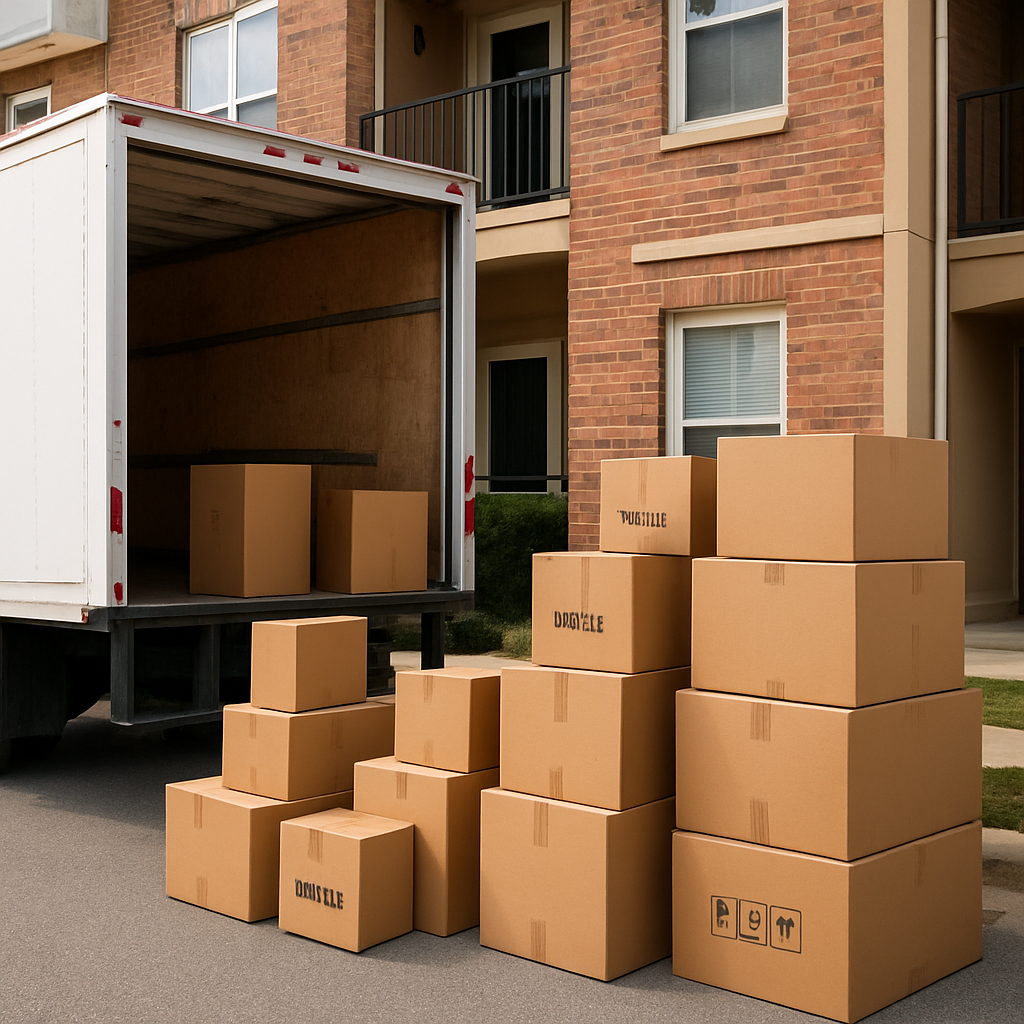
Take these steps, ask the right questions, and you’ll walk into your new home with confidence – and a clear picture of exactly how much you’ll pay.
Tips to Reduce Moving Expenses
When you’re staring at a quote and wondering how much do movers cost for a 2 bedroom apartment, the first instinct is to cut corners. But trimming the budget the smart way means knowing exactly where dollars creep in and how you can pull them out without sacrificing safety.
Start with a declutter sprint
Every box you don’t have to lift is a box you don’t have to pay for. In our experience, homeowners who spend just an afternoon sorting “keep, sell, donate, toss” can shave 10‑20 % off the labour charge. Picture this: Emma, a home seller, sold a vintage coffee table she’d never used. The table weighed 45 lb, saved her one pallet, and knocked $80 off the final bill.
Tip: Set a timer for 30 minutes per room, grab a trash bag, and ask yourself, “Do I really need this?” If the answer is “maybe,” move it to the donate pile.
Borrow, don’t buy, packing supplies
Cardboard boxes, bubble wrap, and moving blankets add up fast. Capital City Movers points out that many local grocery stores and liquor shops will give away their sturdy boxes for free if you ask. Even your own linens and towels make excellent padding for fragile items, cutting the need for expensive bubble wrap.
Leverage off‑peak timing
Moving companies charge a premium for weekends and the May‑September peak season. A mid‑week, mid‑month move can be 15‑30 % cheaper. One of our recent home‑buyer clients booked a Tuesday morning slot in October and saw the total drop from $1,250 to $950.
Ask the crew: “Do you have any weekday openings that aren’t in the peak window?” Most will gladly offer the discount to fill their calendar.
DIY the heavy lifting where you can
If you have a sturdy friend with a pickup truck, consider handling the non‑essential furniture yourself. A sofa, a nightstand, or a box of books can be moved for the price of a tank of fuel. Just be sure the items are well‑protected – a scratch now can become a claim later.
Real‑world example: Liam, a home seller, loaded his own dining table onto a rented U‑Haul and saved $200 on the loading fee. He still used professionals for the upstairs bedroom because of the stairs fee, which cost $150 anyway.
Negotiate the “stairs” and “parking” fees upfront
Most movers apply a per‑flight charge for stairs and a flat parking permit fee if the truck can’t pull up close. Walk the route from the truck’s likely spot to your front door, count the flights, and present that number when you request a quote. In many cases the crew will give you a fixed price instead of an hourly “accessorial” charge.
Bundle services only when they make sense
Full‑service packing sounds convenient, but it can add $200‑$400. If you’re comfortable wrapping dishes in towels and using reusable moving blankets, you’ll keep that chunk of money. However, specialty items – pianos, large TVs, or antique mirrors – are worth the professional touch. The cost of a mishandled piano often exceeds the extra $150 you’d pay for expert handling.
Use technology to compare quotes quickly
Instead of calling three different companies one by one, use a reputable moving‑quote aggregator. Input your address, cubic metres, and any obstacles, then let the platform spit out side‑by‑side estimates. This saves you hours of phone time and reveals hidden fees before you sign.
Protect valuables yourself
Standard mover insurance covers up to $2 million in liability, but high‑value items often need an upgrade. If you have a $5,000 heirloom vase, consider transporting it in your personal car or a small rental van. The insurance upgrade typically costs $100‑$200, but the peace of mind is priceless.
Bottom line: you don’t need to accept the first number you see. By decluttering, borrowing boxes, moving on an off‑peak day, handling what you can, and negotiating the little fees, you can bring the cost of moving a 2‑bedroom apartment down to the lower end of that $1,000‑$1,600 range.
So, what’s your next move? Grab a marker, sketch a quick inventory, and start knocking items off the list. The sooner you act, the more room you’ll have in your budget for the fun stuff – like that new couch you’ve been eyeing.
FAQ
What factors determine how much do movers cost for a 2 bedroom apartment?
In short, the price isn’t just a flat rate. Movers look at the size of the load – roughly 1.2‑1.5 m³ for a typical two‑bedroom – and charge per cubic metre or per “load”. Distance matters too; a 20‑km hop adds about $150‑$250, while anything over 50 km brings mileage surcharges. Accessibility fees pop up if you’ve got stairs, narrow hallways or no parking spot, usually $25‑$50 per flight. Finally, add‑ons like packing, specialty item handling or extra insurance can push the total up another $100‑$400. All these pieces together give you the final figure.
Can I get a binding quote and avoid surprise fees?
Absolutely. Ask for a binding or “no‑surprise” quote that lists every line item – labour, mileage, stairs, insurance, any accessorial charges. If a mover offers a non‑binding estimate, you’re basically getting a ballpark that could change once they see the real workload. In our experience, a clear, written quote lets you compare side‑by‑side with other companies and negotiate flat‑fee options for things like mileage or stairs. That way you walk into the day knowing exactly what you’ll pay.
How can I keep the cost down without sacrificing safety?
First, declutter. The fewer boxes you have, the less labour you pay – we’ve seen homeowners shave 10‑20 % off by donating unwanted furniture. Second, borrow moving boxes from grocery stores or friends instead of buying new ones. Third, pick an off‑peak weekday – Tuesdays and Wednesdays in October often cost 15‑30 % less than a weekend slot. Lastly, handle the light items yourself and let the pros tackle the heavy or fragile pieces. Those small tweaks can drop the total well into the lower end of the $1,000‑$1,600 range.
Do I really need extra insurance for a two‑bedroom move?
Standard mover insurance usually covers up to $2 million in liability, which is enough for most household items. If you own a high‑value piece – say a $5,000 heirloom vase or a piano – upgrading to full‑value protection adds roughly $100‑$200. It sounds like an extra cost, but compare it to the potential loss of a priceless item. For most home owners and buyers, the basic coverage is sufficient, but if you’re a home seller with valuable décor, the upgrade is a smart safety net.
What’s the best way to compare quotes from different movers?
Use a simple spreadsheet. List each mover’s labour, mileage, stairs, insurance, and any add‑ons in separate columns. Then total the numbers and look for hidden fees – for example, a “wait‑time” charge that only appears if the crew sits idle. Also, check whether mileage is billed per kilometre or as a flat fee; the flat option is usually cheaper for short distances. By visualising the breakdown, you can spot the most transparent offer and avoid surprises on moving day.
How far in advance should I book my movers to lock in a good price?
Ideally, start the process at least three weeks before your target move date. That gives you enough time to gather three written quotes, negotiate any accessories, and secure an off‑peak slot. Movers often have tighter schedules during peak months (May‑September), so the earlier you lock in, the more likely you’ll snag a discounted weekday rate. Plus, booking early gives you a buffer to sort your inventory, pack strategically, and avoid any last‑minute price hikes.
Conclusion
After digging into every line item – labour, mileage, stairs, timing and add‑ons – you now have a clear picture of how much do movers cost for a 2 bedroom apartment in Perth. The range we keep seeing is roughly $1,000 to $1,600, depending on the specifics of your load and the day you choose.
What does that mean for you? If you’re a home owner or seller, start by measuring your stuff, walk the route from truck to door, and flag any obstacles early. Those simple steps can shave a few hundred dollars before you even call a mover.
For home buyers, the sweet spot is usually an off‑peak weekday with a binding quote that lists every charge. That way you avoid surprise “wait‑time” fees and you know exactly what you’ll pay on moving day.
So, what’s the next move? Grab a pen, list your cubic metres, plug the numbers into a quick spreadsheet, and reach out for three written quotes. Compare line‑by‑line, negotiate flat mileage or stairs fees, and lock in a date that fits your schedule.
When the boxes are finally unpacked, you’ll appreciate that the budgeting headache was the hardest part – the rest is just settling into your new space.